

Live table: the limit and the clock never make the shot

Author
Kyrylo Demchuk
Published
28.08.2026
3 min read
The player sees the wheel, the cards and the host. The table cap, the seconds for a decision and the voided-round rule sit on the game card. The stream does not say them.
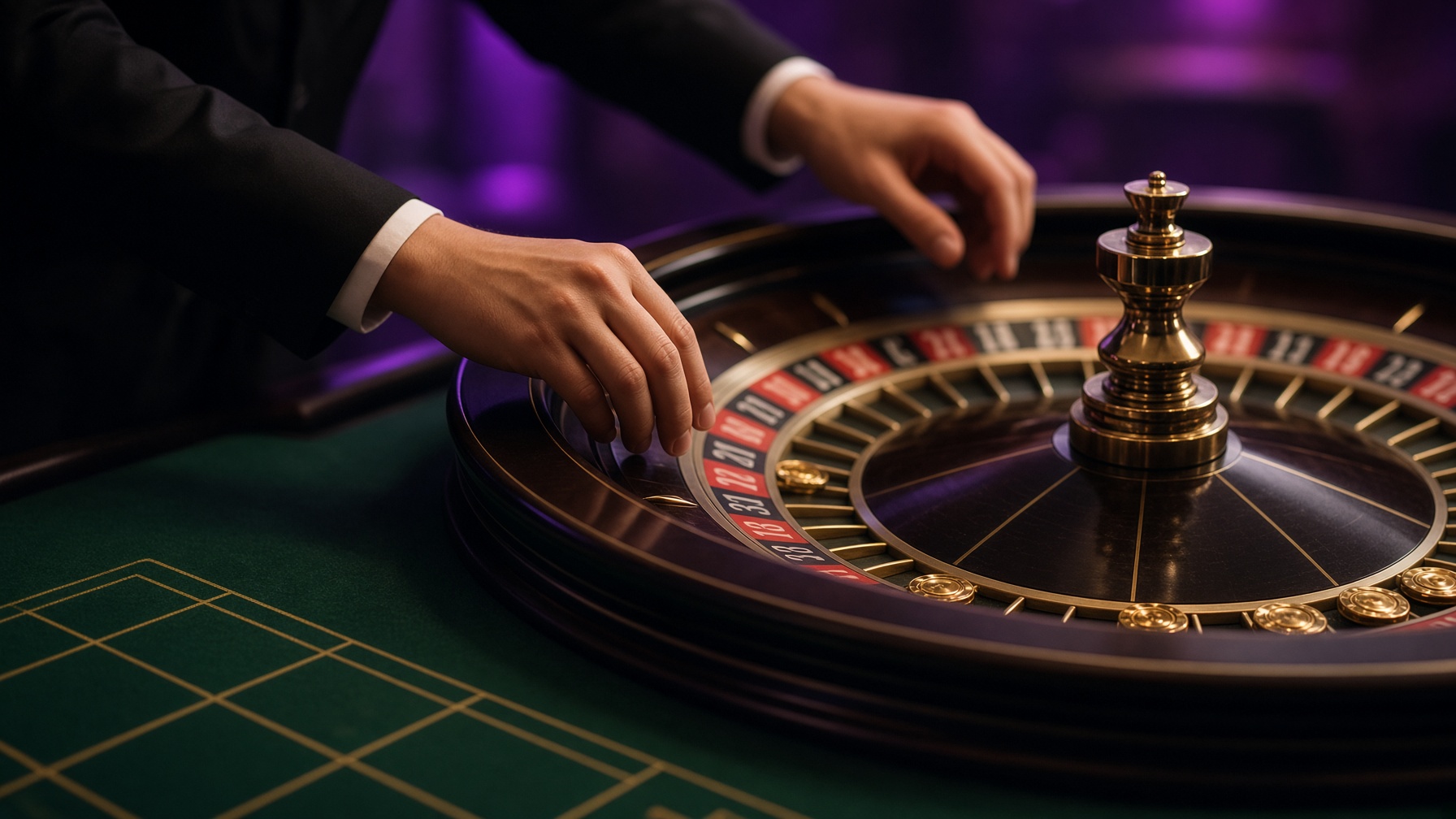
The picture is not the whole game
A live table is sold as presence: cloth, a voice, a wheel that is still turning. For a new player that is enough to decide the rules are “obvious”. The stream only shows what everyone must see at once. The rest — the minimum stake, the table ceiling, how many seconds you get to decide, and what happens if the connection drops — is written down.
Open the table card before the first chip, not after a disputed deal. That is where it says whether a stake can be pulled back while betting is open, and whether a neighbouring bet stands on its own. On roulette the next square looks small. In the count it is a different sum, and the hall counts each square by itself.
The broadcast also crops the frame. You see a sector and a pair of hands. You do not see how long the table has been open, which colleague is about to take over, or the table’s service status. If a round is stopped, the reason arrives as a line in the round history, not as a gesture on camera. Anyone watching only the video misses that line.
- Betting is open
Chips are taken until the host closes the window.
- Betting is closed
A late stake does not enter this round.
- The host plays the round
Wheel, cards or dice. The player is not asked.
- The round is settled or voided
A win is paid, or the stake returns if the round is void.
The pause between steps is part of the rules, not a frozen stream. The time allowed for a stake is written on the table card.
When a round does not count
The ball may fail to settle, a card may land badly, a camera fault may stop the table. The round is then often void. The stake returns to the balance as if it had not been placed. That is not a gift and not a fine. It is a rule you read beforehand, or the return looks like a cashier’s mistake.
The pause between rounds is longer than a slot’s pause. The host waits for the betting window, closes it, and only then starts the wheel. Someone used to a cabinet hears silence as lag and taps repeat. On a live table a repeat into a closed window does not enter this spin. The stake either waits for the next round or is refused — as the card says, not as the on-screen timer suggested.
Short games with no person on camera work the other way: a round lasts seconds, there is no pause for talk, and nobody shows how the ball landed. That is a different genre, not “the same live, only faster”. If you want to check with your eyes, stay at the table. If you want a short cycle, use quick games and do not expect a host’s manners from them.